

Miami’s boating lifestyle offers almost unlimited opportunities to spend time on the water. From weekend cruises around Biscayne Bay to afternoon trips along the coast, local boats often remain in use for much of the year. However, Florida’s intense sun, humidity, rain, and saltwater can place significant demands on marine seating. Choosing the right boat upholstery material can help Miami boat owners maintain comfortable and attractive interiors despite these conditions. Boat Upholstery Broward provides professional upholstery for boats and yachts, helping owners restore and customize marine seating.
Miami’s Climate Creates Unique Challenges
Florida weather can be ideal for boating while remaining tough on upholstery.
Long periods of sunshine expose seating to strong UV radiation. Humidity can keep surfaces damp, while saltwater spray leaves residue after coastal trips.
Miami boat interiors commonly face:
- Strong sunlight
- High temperatures
- High humidity
- Saltwater exposure
- Heavy rainfall
- Frequent year-round use
These conditions make material performance particularly important.
UV Resistance Should Be a Priority
Sun exposure is one of the biggest concerns for open boats in South Florida.
Helm seats, bow cushions, and cockpit seating can receive direct sunlight for hours. Over time, unsuitable materials may fade, crack, or lose their original appearance.
When selecting a boat upholstery material, Miami owners should look for strong UV resistance.
Using fitted covers when the vessel remains unused can also reduce unnecessary exposure.
Saltwater Leaves More Than a Trace
Salt can remain on upholstery after a day around Biscayne Bay or the Atlantic.
If owners allow residue to accumulate, it can contribute to surface deterioration and make seating appear older.
A simple post-trip routine can help protect marine upholstery.
Owners can:
- Wipe exposed seating
- Remove salt residue
- Clean spills promptly
- Rinse appropriate surfaces
- Dry wet cushions completely
These habits become especially valuable when boats operate regularly in saltwater.
Humidity Requires Better Ventilation
Miami’s humidity can affect both exposed and enclosed seating.
Moisture trapped inside cushions can contribute to unpleasant odors and other problems. This makes proper drying and ventilation important parts of interior care.
Wet cushions should dry completely before owners cover or store them.
For enclosed cabins, regular ventilation can also help prevent moisture from accumulating.
Choose Materials According to Location
Not every seating area experiences the same conditions.
Helm seats may face constant sunlight and heavy use. Cockpit cushions can encounter water, sunscreen, and wet clothing. Cabin seating may receive less direct exposure but still experience humidity.
A boat upholstery material should therefore match the location where it will be installed.
This approach can help owners avoid choosing a material based solely on appearance.
Light Colors Fit the Miami Lifestyle
Miami interiors often benefit from bright, coastal color palettes.
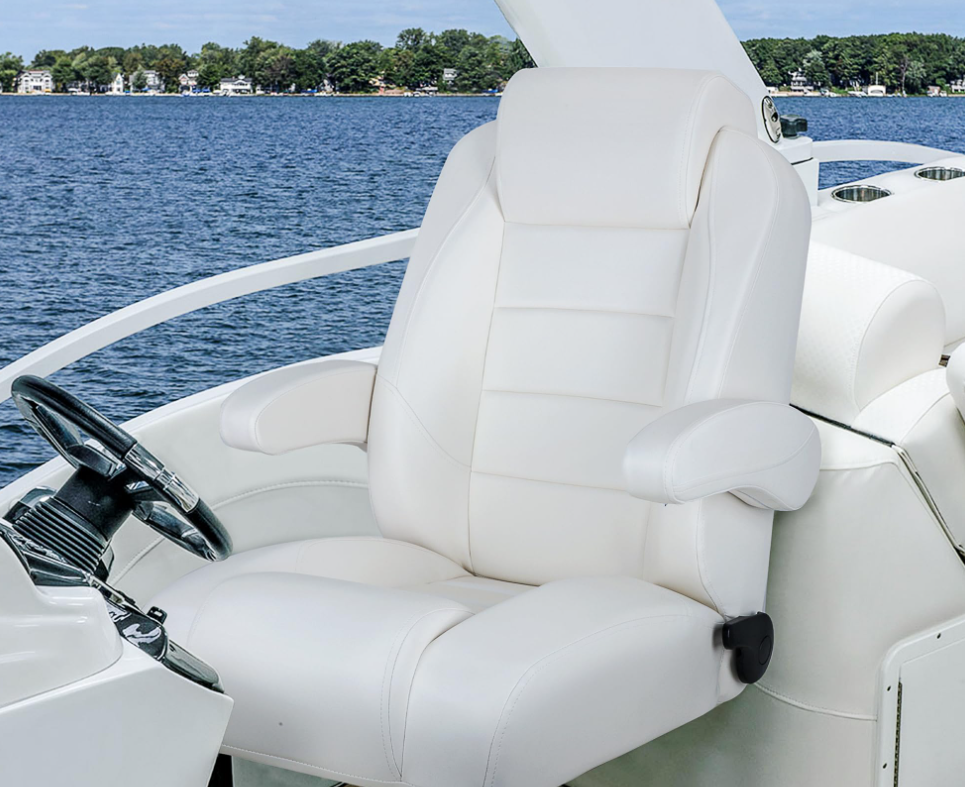
White, cream, beige, and light gray can create an open atmosphere and pair naturally with the surrounding water.
Owners can introduce stronger accents through:
- Navy piping
- Blue stitching
- Charcoal panels
- Dark borders
- Textured inserts
A carefully selected boat upholstery material can provide the foundation for a modern Florida-inspired interior.
Comfort Matters During Long Trips
Miami boaters often spend several hours onboard.
Whether the goal is fishing, sightseeing, entertaining friends, or simply cruising along the coast, uncomfortable seating can quickly affect the experience.
Owners should inspect the foam when restoring older cushions.
Compressed foam may need replacement to restore proper support. Combining fresh cushioning with a durable boat upholstery material can make a noticeable difference in comfort.
Modern Designs Are Changing Boat Interiors
Miami’s design culture encourages more personalized marine interiors.
Boat owners are increasingly experimenting with contemporary colors, textured surfaces, two-tone cushions, and decorative stitching.
These details can give an older boat a completely different character.
A new boat upholstery material does not simply replace worn fabric or vinyl. It can become part of a broader interior design update.
Maintenance Should Fit the Local Climate
Miami boats can remain active throughout the year, which means maintenance cannot depend entirely on a short boating season.
Regular cleaning should become part of the normal routine.
After trips, owners should remove salt and other residue. Wet seating should dry fully, while covers can protect cushions from unnecessary sunlight between outings.
Consistent care helps new materials remain attractive for longer.
When Should Miami Owners Reupholster?
Some damage can receive a simple repair.
A small tear or loose seam may not justify complete restoration. However, widespread cracking, severe fading, flattened foam, and repeated seam failures can indicate that reupholstery would provide a better long-term solution.
Updating several cushions at once can also create a more consistent interior.
Plan Before the Busy Season
Because Miami offers such a long boating season, waiting until seating becomes unusable can be inconvenient.
Planning an upholstery project before the busiest periods gives owners time to evaluate materials, choose colors, inspect foam, and complete installation without rushing.
A well-planned boat upholstery material upgrade can prepare the interior for months of regular use.
Final Thoughts
Miami provides an exceptional environment for boating, but its coastal climate creates demanding conditions for marine seating. Strong sunlight, humidity, saltwater, and frequent use can accelerate upholstery wear.
Choosing the right boat upholstery material can help protect seating while improving comfort and giving the interior a fresh appearance. With appropriate materials, professional installation, proper covers, and consistent maintenance, Miami boat owners can keep their interiors comfortable and attractive through another season on the water.
More interesting articles you can explore here.