

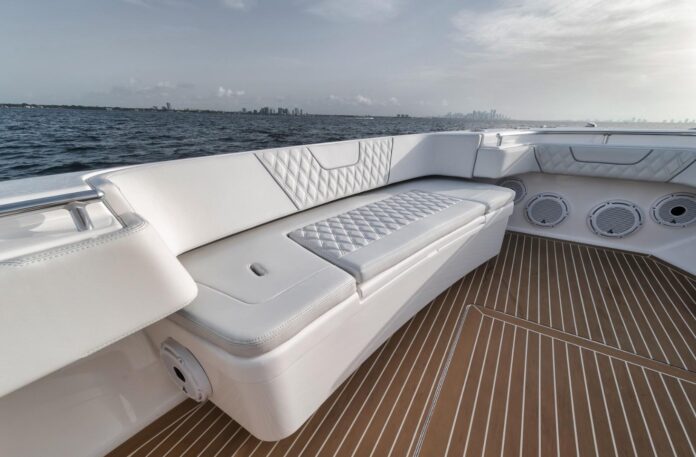
Owning a Contender boat usually means one thing. You actually use it. Long runs, offshore trips, heat, salt, and regular washdowns all put pressure on every part of the boat. Contender boat upholstery often takes more abuse than owners expect, yet many decisions around it happen last. For owners who want professional help specific to this brand, you can visit this Contender upholstery service page to see what proper work involves. Understanding how upholstery functions on a Contender helps owners avoid common mistakes and unnecessary costs.
Upholstery on these boats does not exist only for comfort. It supports how people move, sit, brace, and rest while the boat is underway.
How Owners Actually Use Seating on a Contender Boat
Contender boats rarely stay still. Passengers shift positions, lean against bolsters, and move quickly between fishing and cruising modes. Upholstery must support this constant movement.
On a typical trip, Contender boat upholstery handles:
- Weight shifts during acceleration and turns
- Bracing pressure in rough water
- Repeated entry and exit from seating areas
When cushions lack proper support or stability, owners feel it immediately. Seats feel loose, uncomfortable, or unsafe at speed. These issues often point to foam or fitment problems rather than surface wear.
Why Upholstery Problems Often Start Under the Surface
Many owners judge upholstery by appearance alone. Vinyl may look clean while hidden problems develop underneath.
Common hidden issues include:
- Foam that absorbs water and never fully dries
- Cushion bases that block drainage
- Stitching that weakens from UV exposure
These problems usually appear after one or two seasons of heavy use. By the time owners notice odors or sagging, damage has already spread through the cushion.
Material Choices That Match Real Boat Use
Material selection plays a major role in how long Contender boat upholstery lasts. Boats used in warm coastal regions face constant UV exposure and heat buildup.
Effective upholstery materials typically include:
- Marine grade vinyl designed for UV resistance
- Thread engineered for saltwater environments
- Foam built to release water quickly
Materials designed for casual boating or automotive use rarely survive these conditions. Owners who choose proper marine materials spend less time repairing and replacing cushions over the life of the boat.
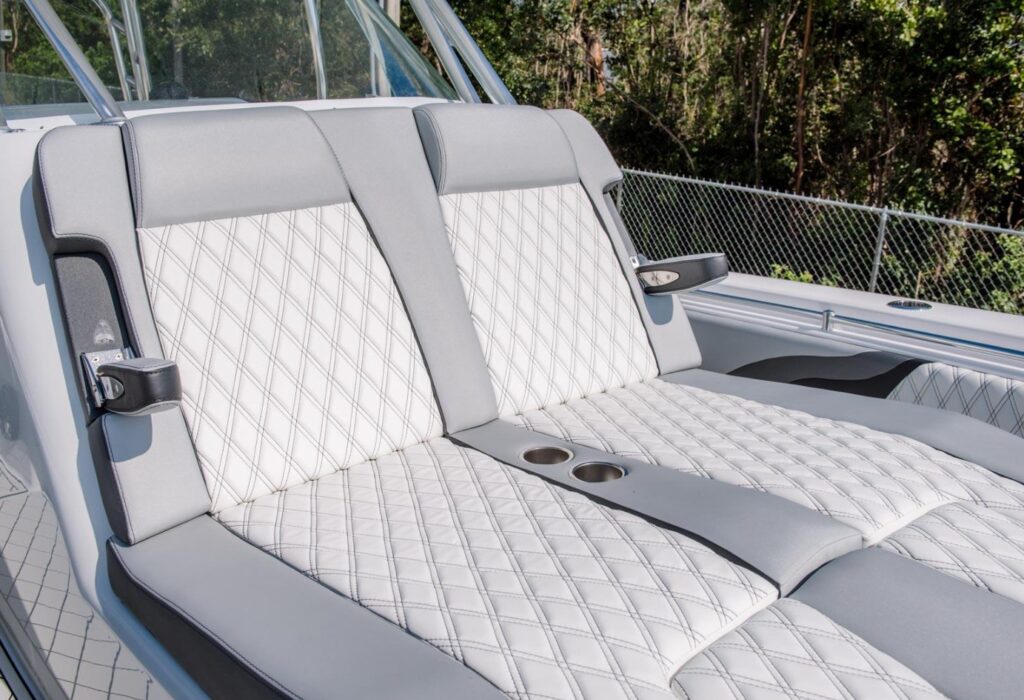
Foam Density and Comfort Over Long Trips
Comfort on a Contender boat matters most after hours on the water. Foam density affects posture, fatigue, and overall enjoyment.
Good foam provides:
- Firm support that holds shape over time
- Shock absorption during wave impact
- Consistent seating height across cushions
Soft foam may feel comfortable at first but compresses quickly. Over time, owners notice uneven seating and reduced support, especially on helm seats and leaning posts.
Fitment and Drainage as a System
Contender boat upholstery works as part of a larger system that includes deck design and water management. Cushions must sit correctly to allow water to escape.
Poor fitment often causes:
- Water pooling along cushion seams
- Moisture trapped between vinyl and foam
- Faster wear at contact points
Accurate patterns and proper installation allow cushions to drain naturally and dry faster after use. This improves comfort and extends upholstery life.
Visual Style Versus Practical Design
Many owners consider updating the look of their upholstery during repairs or replacement. While appearance matters, function should guide design choices.
Practical design choices include:
- Colors that reflect heat rather than absorb it
- Simple panel layouts that clean easily
- Minimal decorative stitching
Overly complex designs may look impressive at first but often create maintenance challenges and reduce long term durability.
When Owners Should Act Instead of Waiting
Waiting too long to address upholstery issues often increases repair costs. Early signs usually appear during normal use.
Warning signs include:
- Cushions that stay wet longer than usual
- Noticeable softness or uneven support
- Stitching that begins to fray or separate
Addressing these issues early allows owners to repair instead of replace. It also prevents moisture damage from spreading into foam and cushion bases.
How Upholstery Impacts Resale and Survey Results
Surveyors and experienced buyers pay close attention to upholstery condition. Interior wear often signals how the boat was maintained overall.
Well maintained Contender boat upholstery:
- Improves first impressions
- Suggests proper care and storage
- Supports higher resale value
Neglected upholstery raises concerns even when mechanical systems appear solid.
Final Thoughts for Contender Boat Owners
Contender boat upholstery reflects how the boat lives on the water. It supports comfort, safety, and daily usability far more than many owners realize. Proper materials, correct foam, and accurate fitment allow upholstery to perform as part of the boat rather than as an afterthought.
Owners who understand these factors make better decisions, reduce long term costs, and enjoy their boats more. In demanding conditions, upholstery that works correctly becomes just as important as any other onboard system.