

Many boat owners eventually realize that worn seating takes away from the entire on-water experience. Sun, salt, and constant use slowly damage materials, making seats uncomfortable and unattractive. If you are considering professional help, reupholstering boat seats is one of the most effective ways to restore both comfort and appearance. With the right materials and skilled workmanship, your boat can feel refreshed without the cost of full interior replacement.
Why Boat Seats Wear Out Faster Than Car Seats
Unlike car interiors, boat seats are exposed to much harsher conditions. Constant sunlight fades colors and weakens fabrics. Saltwater slowly breaks down stitching and foam. Moisture can lead to mildew and unpleasant odors.
Even high-quality factory seating eventually loses its shape and support. This is why many owners choose reupholstering boat seats instead of replacing entire seating systems. It allows the structure to stay while everything you feel and see gets renewed.
Benefits of Reupholstering Boat Seats
Reupholstering is not just about looks. It improves how your boat performs for daily enjoyment and long trips.
Key benefits include:
- Increased seating comfort
- Improved resistance to water and UV rays
- Custom colors and textures
- Better long-term durability
- Higher resale value
Well-restored seating also makes social time on board more enjoyable for family and guests.
Materials Used in Reupholstering Projects
Choosing the right materials is one of the most important steps in reupholstering boat seats. Marine environments require specialized fabrics and foams that can handle heat, moisture, and salt.
Common material choices include:
- Marine-grade vinyl for easy cleaning
- UV-resistant fabric to prevent fading
- Closed-cell foam to block water absorption
- Reinforced thread for stronger seams
These materials are designed specifically for life on the water and perform far better than standard upholstery fabrics.
The Reupholstering Process Step by Step
Reupholstering boat seats follows a detailed process that ensures long-lasting results. While exact steps may vary, most professional projects include:
- Removing old vinyl and foam
- Inspecting seat frames for damage
- Replacing worn foam with high-density foam
- Cutting new fabric to match the original shape
- Sewing with water-resistant stitching
- Carefully installing the finished covers
Proper installation is critical. Even high-quality materials will fail if they are stretched incorrectly or attached without proper tension.
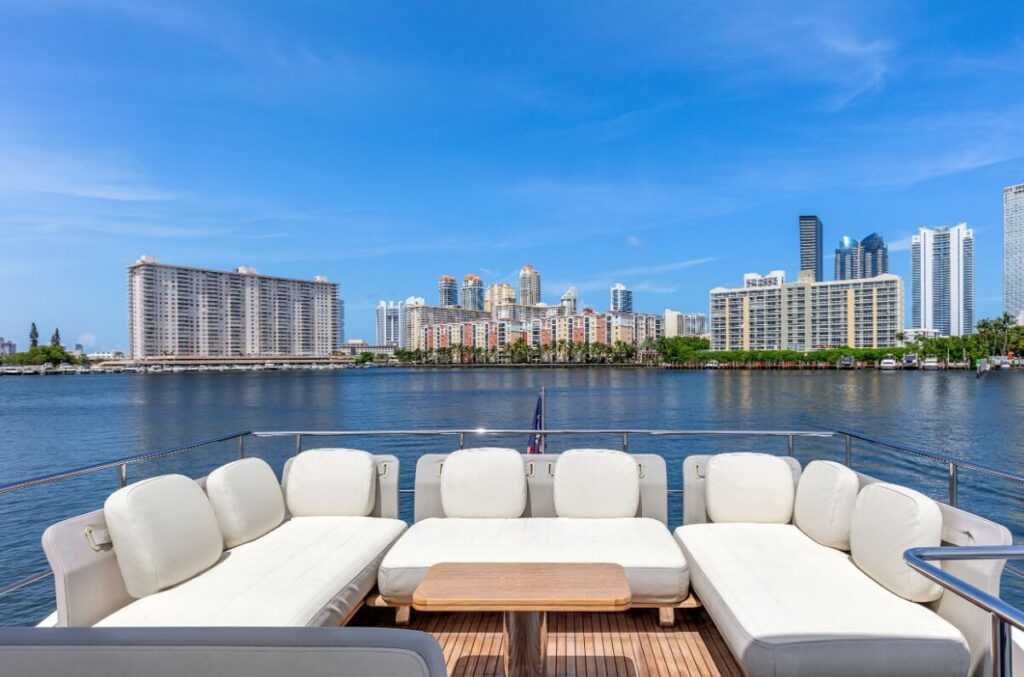
Comfort Is More Than Just Softness
Many people think comfort only comes from soft cushions. In reality, proper foam density plays a much bigger role in long-term comfort. Foam that is too soft compresses quickly and loses support. Foam that is too firm can feel uncomfortable during long rides.
Professional reupholstering boat seats often uses layered foam. A firmer base supports the body while a softer top layer adds comfort. This balance helps seats stay comfortable even after hours on the water.
Design Options for Custom Boat Seats
Reupholstering is also a design opportunity. Boat owners can completely change the look of their interior without replacing the entire layout. Color combinations, stitching patterns, and surface textures all influence the final appearance.
Popular design upgrades include:
- Two-tone color layouts
- Contrast stitching
- Diamond or ribbed patterns
- Matte or glossy vinyl finishes
These details allow the boat to reflect personal style while still keeping a clean marine aesthetic.
Maintenance After Reupholstering
Proper maintenance helps protect your investment. Even the best materials need routine care in coastal and marine environments.
Simple maintenance habits include:
- Wiping seats after each trip
- Rinsing off salt residue
- Avoiding harsh cleaners
- Allowing cushions to dry fully
- Storing removable cushions indoors when possible
With good care, reupholstered seats can maintain their appearance and comfort for many years.
When Is the Right Time to Reupholster
Many owners wait too long before upgrading their seating. Warning signs that it is time for reupholstering boat seats include cracked vinyl, flattened foam, visible mold stains, and loose stitching. Once foam starts absorbing water, comfort and hygiene decline quickly.
It is often more cost-effective to reupholster early rather than wait until frames or substructures become damaged.
Reupholstering as a Value Investment
Upgraded seating does more than improve daily comfort. It can also significantly increase the resale value of a boat. Buyers notice clean, firm, and modern seating right away. Worn interiors often reduce buyer interest even if the engine and hull are in excellent condition.
For many owners, reupholstering boat seats becomes one of the smartest upgrades they make before selling or upgrading their vessel.
Conclusion
Reupholstering boat seats is a practical and visually rewarding way to extend the life of your boat interior. It restores comfort, protects against harsh marine conditions, and allows full customization of style and support. With proper materials, professional craftsmanship, and regular care, updated boat seating can deliver years of reliable performance and comfort on the water.