


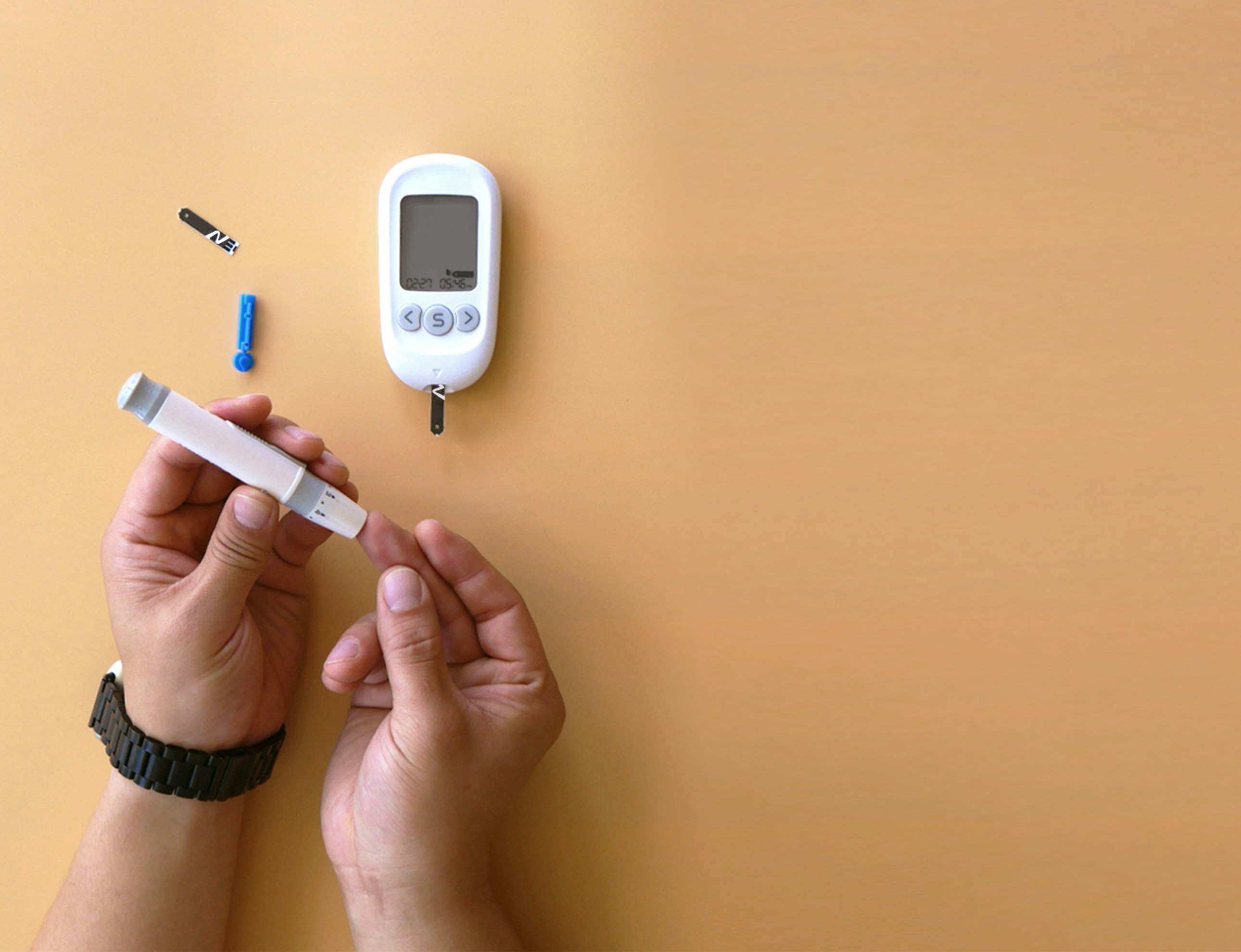
Enhancements in patient monitoring and provider training are needed to improve the health of disabled Americans with diabetes.
— Dr. Craig Escudé
CLEARWATER, FL, UNITED STATES, September 17, 2025 /EINPresswire.com/ — As diabetes cases continue to rise nationwide, people with intellectual and developmental disabilities (IDD) are suffering disproportionately, facing significantly higher mortality rates. Advancements in patient monitoring provide improvements in overall health and quality of life.
The World Health Organization (WHO) reports that adults living with diabetes recently surpassed 800 million worldwide, more than quadrupling since 1990.
According to estimates released by the U.S. Centers for Disease Control and Prevention (CDC), 38.4 million, or 11.6% of Americans have diabetes nationwide. Even higher rates are found in people with disabilities, with an estimated 16.2%, or about 1 in 6 disabled Americans, currently diagnosed with diabetes throughout the U.S., compared to 1 in 14 people without disabilities.
For people with IDD, physical and cognitive challenges often result in higher instances of inactivity, especially for those with mobility issues. Inactivity can increase the likelihood of obesity, high blood pressure, and high cholesterol– comorbidities that are all linked with the development of Type 2 diabetes.
“People with IDD often face compounded barriers to maintaining adequate physical activity, including motor coordination challenges, co-occurring medical conditions, limited access to adaptive programs, and insufficient supports. Without targeted interventions, these factors contribute to sedentary lifestyles and increased risk of secondary health complications,” states Dr. Craig Escudé, family physician, IDD specialist, and President of IntellectAbility.
Poor dietary choices and a lack of proper nutrition can also contribute to statistically higher instances of diabetes. People with IDD often rely on familiar routines, including the food that they eat. Food can be rejected if its not a particular texture, flavor, or color, or isn’t what they are used to eating. Developmental disabilities can also create limitations in what food can be eaten and how it is consumed. This can make it increasingly difficult to change dietary behaviors and improve nutrition.
People with IDD also face disproportionately higher instances of financial insecurity due to statistically lower levels of employment. Lower socioeconomic status has been found to lead to diets that consist mainly of processed foods, which are traditionally high in sugar and lack the vital nutrients required to maintain a well-balanced diet and reduce excess weight.
Once diagnosed with diabetes, consistent blood glucose monitoring and insulin administration are typically required. These constant needle pricks can cause distress for people with IDD.
“Blood glucose monitoring in people with IDD is often complicated by sensory sensitivities, communication barriers, and the need for consistent, trained supporters,” states Dr. Escudé.
The early detection of health instability is essential for improving the health of patients with diabetes. In people with IDD, these signs can include:
* Sudden behavior or mood changes
* Increased thirst or urination
* Unexplained fatigue or weakness
* Unsteady gait or increased falls
* Slow-healing wounds or skin changes
IntellectAbilityⓇ developed the Health Risk Screening Tool (HRSTⓇ) to aid healthcare providers and support staff in identifying early warning signs, assessing and prioritizing health needs, and developing individualized care plans.
“The (HRST) is vital in identifying health risks and improving health outcomes for people with IDD by identifying subtle health changes early, guiding proactive interventions, and helping prevent hospitalizations, emergency department visits, and life-threatening complications.”
IntellectAbility provides tools and training to agencies, governmental entities, and supporters of people with intellectual and developmental disabilities to foster early recognition and mitigation of health risks, thereby improving health and wellness. One such tool is the Health Risk Screening Tool (HRST), of which they are the sole developer, producer, and distributor. The web-based HRST is the most widely used and validated health risk screening instrument for people with intellectual and developmental disabilities. IntellectAbility also provides numerous health-related and person-centered service training for supporters of people with IDD. With an unrelenting focus, IntellectAbility works to fulfill its mission of improving health and quality of life for people with intellectual and developmental disabilities and other at-risk populations. For more information, visit www.ReplacingRisk.com
Daniel Mutter
MutterWorks
+1 305-926-1792
daniel@mutterworks.com
Legal Disclaimer:
EIN Presswire provides this news content “as is” without warranty of any kind. We do not accept any responsibility or liability
for the accuracy, content, images, videos, licenses, completeness, legality, or reliability of the information contained in this
article. If you have any complaints or copyright issues related to this article, kindly contact the author above.

Originally published at https://www.einpresswire.com/article/849927432/rising-diabetes-rates-in-americans-with-disabilities-fuel-demand-for-improvements-in-care
Images courtesy of https://pixabay.com